


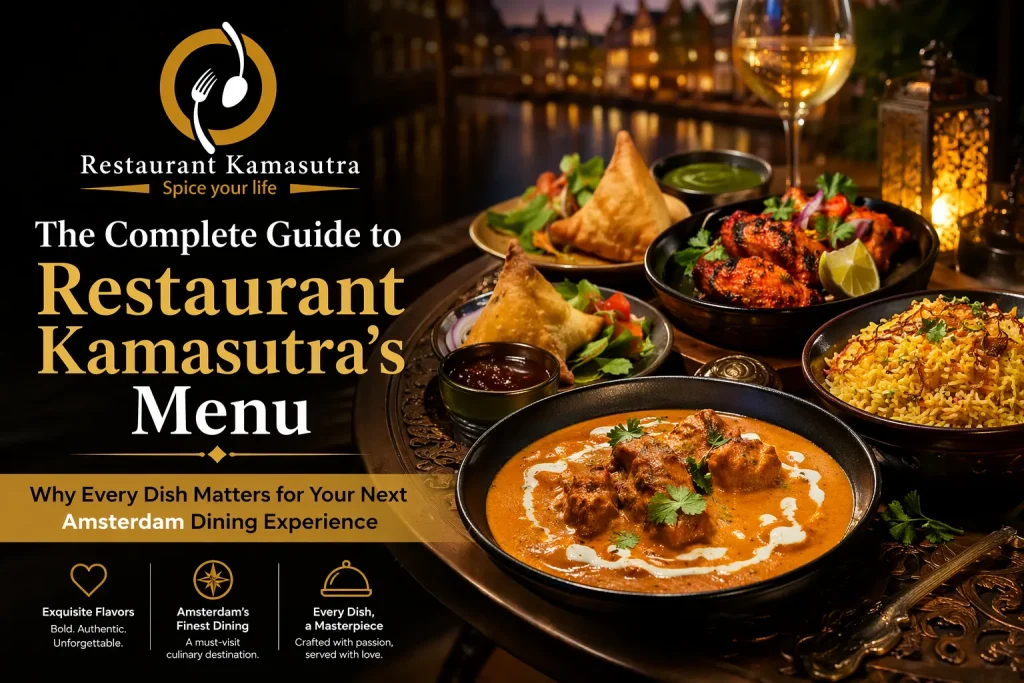
The Complete Guide to Restaurant Kamasutra Menu: Why Every Dish Matters for Your Next Amsterdam Dining Experience

Discover Authentic Flavors at the Best Indian Restaurant in Amsterdam
September 11, 2025
Why Restaurant Kamasutra is the Ultimate Indian Restaurant Near Amsterdam Central Station
September 30, 2026There’s something special about a restaurant that has served the same community for 22 years.
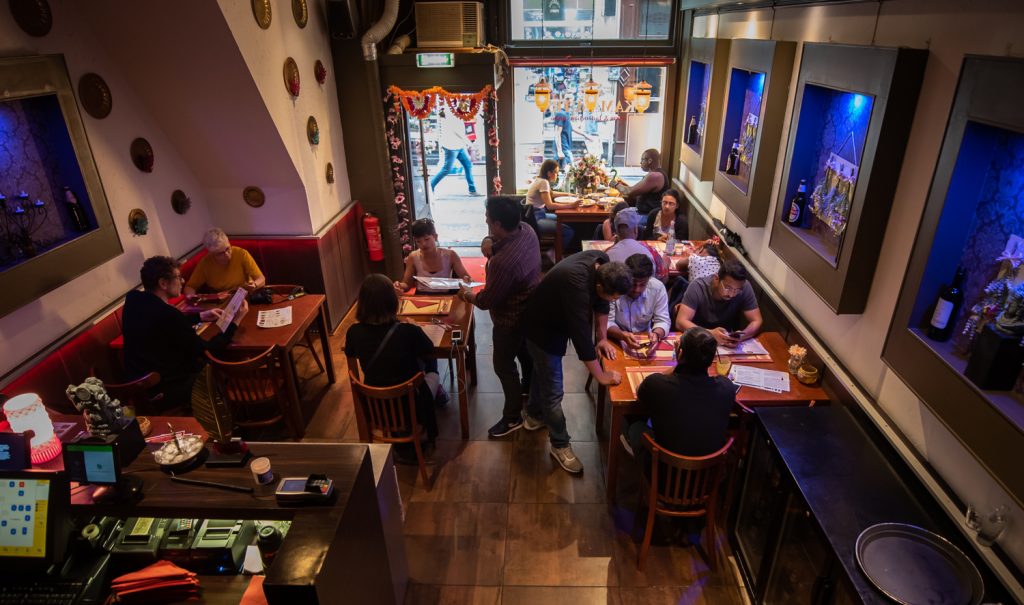
Since 2004, Restaurant Kamasutra has been crafting authentic Indian cuisine near Amsterdam Central Station. But what makes a menu worth returning to again and again? It’s not just the foodΓÇöit’s the thought behind every dish.
Unlike restaurants that add dishes to seem trendy, every item on Kamasutra’s menu has a purpose. Traditional recipes. Quality ingredients. Techniques perfected over generations. Today, we’re taking you through the complete menu and explaining why each section matters, what to order, and how to experience this restaurant like a local.
Understanding Kamasutra Menu Structure
Restaurant Kamasutra menu is organized the way traditional Indian restaurants have worked for centuries. It’s not random. Each section builds on the last, and understanding this structure will transform how you order.
The Menu Flow:
- Appetizer Starters → Start here
- Tandoori Specialties → The show-stopper
- Curry Dishes → The heart of Indian cuisine
- Rice Dishes (Biryani) → Complete meals in one bowl
- Breads & Sides → The perfect pairing
- Desserts → The finale
This isn’t accidental. This is how Indian meals are meant to unfold.
Section 1: Appetizer Starters (€4.50-€8.00)
Why They Matter: These aren’t fillers. They’re your introduction to Indian flavor profiles and techniques.
Must-Try Starters:
Dal Soep (€5.00) – The Foundation This mild North Indian lentil soup is deceptively simple. Lentils are India’s most important protein, and this soup introduces you to that culinary foundation. If you’ve never had Indian food before, start here. It’s warming, nutritious, and won’t overwhelm your palate.
Best For: First-time diners, health-conscious eaters, light appetites
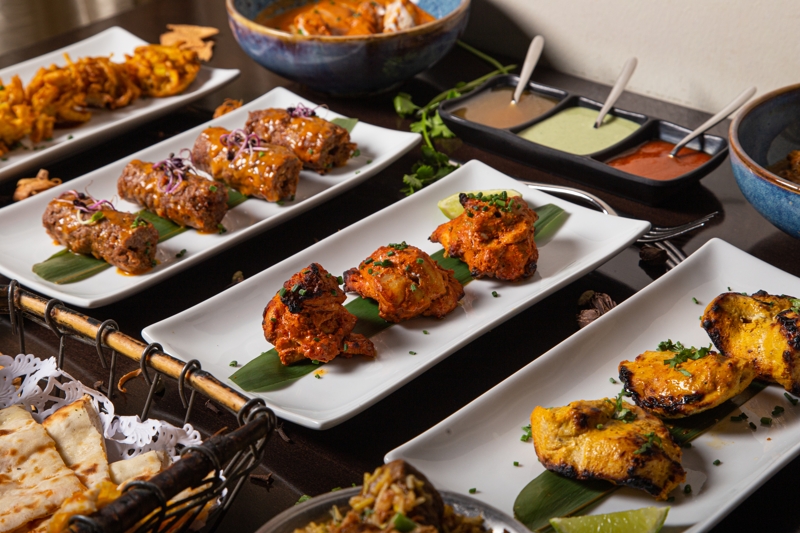
Sheek Kabab (€6.50) – The Meat Introduction Marinated minced lamb roasted in the traditional tandoor (clay oven). This is your first encounter with tandoori cookingΓÇöthe signature technique that makes Indian grilling legendary.
Why It Matters: This teaches you how spices enhance rather than overpower meat. The texture is crucial: tender, smoky, perfectly charred.
Best For: Meat lovers, those curious about tandoori technique
Kamasutramix (€8.00) – The Sampler Potato patty, chicken tikka, lamb tikka, and lamb keema samosa. This is genius menu design. In one starter, you get four different techniques: fried, tandoori, and baked. Order this if you can’t decide, or if you’re dining with others and want variety.
Best For: Indecisive diners, small groups, comprehensive tasting
King Prawn Pakora (€7.75) – The Luxury Starter King prawns in mildly spiced batter. This is where Kamasutra shows it doesn’t compromise on ingredient quality. Real king prawns, not frozen commodity seafood. The light batter highlights rather than hides the prawn’s natural sweetness.
Best For: Seafood lovers, special occasions, those wanting something elevated
Skip or Reconsider:
- Vegetable Samosa (€5.00) – Fine, but the meat samosa is more interesting
- Bombay Potato (€4.50) – Better as a side dish later
Section 2: Tandoori Specialties (€15.50-€21.50)
Why This Section Exists: Tandoori cooking is what made Indian restaurants famous worldwide. These aren’t curry dishesΓÇöthey’re experiences.
The tandoor is a clay oven that reaches temperatures over 900┬░F. The heat creates a unique combination: smoky exterior, tender interior, infused flavor that can’t be replicated in conventional ovens.
The Tandoori Lineup:
Tandoori Chicken (€15.50) – The Classic Marinated in spices, ginger, garlic, and yogurt. This is the dish that taught the world what tandoori means. It’s not spicy, it’s balanced. The yogurt marinade tenderizes while the spices flavor.
Restaurant Hack: Order this if you want something light but satisfying. It comes with basmati rice, lentils, and saladΓÇöa complete, nutritionally balanced meal.
Best For: First-time tandoori eaters, those avoiding heavy sauces, balanced diets
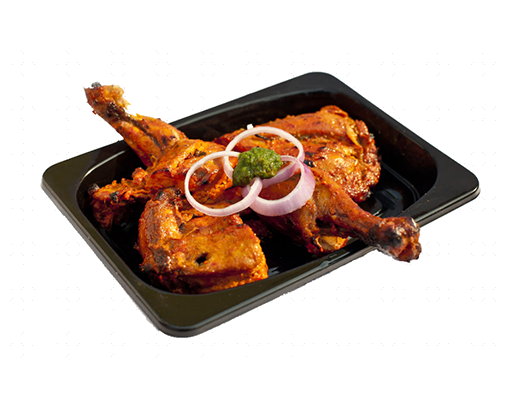
Lamb Tikka (€17.90) – The Premium Choice Boneless lamb pieces, perfectly cooked. Notice it says “medium spiced”ΓÇöthe spice here is carefully calibrated. You’re tasting the meat, not fighting the heat.
Why It’s Different: Lamb requires different timing than chicken. Kamasutra nails this. The meat is tender, not dried out. This is confidence cooking.
Best For: Lamb enthusiasts, those who appreciate quality meat
Kamasutra Special Tandoori Mix (€19.90) – The Ultimate Experience Chicken tikka, lamb tikka, kabab, lamb chop, and tandoori chicken in one plate. This is what happens when a restaurant wants to show off. Every item is showcased. Every technique is represented.
When to Order: Special occasions, celebrations, when you want to understand the full range of tandoori cooking
Mix Kebab with Curry (€21.50) – The Showstopper Same as the special mix, but served in massala curry. This combines the smoky tandoori flavor with creamy curry sauce. It’s a bridge between two major Indian cooking styles.
Important Note: This is rich. Share it. It’s designed for 2-3 people.
Best For: Adventurous eaters, those wanting to combine techniques, special occasions
King Prawn Tandoori (€19.50) – The Seafood Star King prawns grilled in tandoor. Unlike breaded prawns, these showcase the ingredient. The heat creates a slight char on the outside while keeping the prawn tender inside.
Best For: Seafood lovers, those wanting something different from standard curry
Section 3: Curry Dishes (€15.95-€19.50)
Understanding Curry Levels:
- Mild (€17.50-€18.50): Butter, Korma, Bombay, Saag
- Medium (€15.95-€19.50): Balti, Rogan Josh, Tikka Massala, Bhunna, Dopeaza, Jalfriezi
- Spicy (€15.95-€19.50): Madras, Vindaloo
Available Proteins: Chicken, Lamb, Fish, Prawns
Served with: Basmati rice and mixed vegetables
The Essential Curries Explained:
Butter Curry (Mild – €17.50+) – The Comfort Classic Silky butter, tomato sauce, and nuts. This is the dish that defined Indian restaurants in the 1970s-80s. It’s mild, it’s creamy, it’s comforting.
The Truth: It’s richer than you might expect. The butter and cream are real. This is indulgence, not “healthy.” But it’s balancedΓÇöthe tomato provides acidity, cutting through the richness.
Best For: Cream lovers, those avoiding spice, comfort food seekers
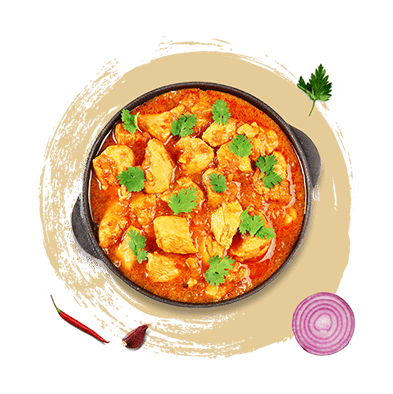
Korma (Mild – €17.50+) – The Sophisticated Choice Creamy sauce with almonds, raisins, and coconut. It sounds similar to Butter, but it’s different. The almonds add texture and slight nuttiness. The raisins add subtle sweetness.
Why It Matters: Korma requires more technique than Butter. Balancing cream, nuts, and spice takes skill. Kamasutra’s version is restrainedΓÇönot cloyingly sweet.
Best For: Those preferring complexity over richness, nut lovers, sophisticated palates
Tikka Massala (Medium – €17.50+) – The Hybrid Dish Tandoori meat served in massala curry. This is a relatively modern invention (created in Britain), but it’s become essential. It combines tandoori smoking with creamy curry.
Why It Works: The tandoori meat brings texture and smokiness. The curry brings creaminess and spice. Together, they’re greater than the sum of parts.
Best For: Those wanting both tandoori and curry, balanced eaters
Rogan Josh (Medium – €15.95+) – The Traditional North Indian Boneless meat, Kashmir style, fried in spiced oil and tomatoes. This is less creamy than Butter or Korma. It’s more about the spices and the meat.
What You’ll Taste: Cinnamon, cardamom, cloveΓÇöwarm spices that don’t burn. The tomato provides acidity. The meat is the star.
Best For: Spice enthusiasts, those avoiding cream, meat lovers
Jalfriezi (Medium – €15.95+) – The Vegetable-Forward Curry Meat with ground spices, vegetables, and capsicum. This is where curry becomes a complete meal. Capsicum adds crunch and sweetness. The vegetables balance the meat.
Why It’s Underrated: Many skip this for “fancier” curries. But Jalfriezi shows techniqueΓÇöcooking vegetables properly while not making them mushy.
Best For: Those wanting vegetable content, textural variety
Madras & Vindaloo (Spicy – €15.95+) – For The Heat-Seekers South Indian style, genuinely spicy. Both are similarΓÇöcomplex spice heat, not just chili burn.
Important Note: If you don’t eat spicy food, skip these. They’re not “medium-spicy.” They’re legitimately hot.
Madras vs. Vindaloo: Madras has more balanced spices. Vindaloo is hotter. Both are excellent.
Best For: Spice lovers, those with heat tolerance, adventurous eaters
Section 4: Vegetarian Dishes (€13.00-€13.50)
Restaurant Kamasutra takes vegetarian seriously. These aren’t afterthoughtsΓÇöthey’re complete dishes.
Chana Ki Dal (€13.50) – The Protein Foundation Brown lentils, mildly spiced. Lentils are complete proteins in Indian cuisine. This is nutritionally balanced, flavorful, and satisfying without meat.
Best For: Vegetarians, vegans, health-conscious eaters, those wanting lighter meals
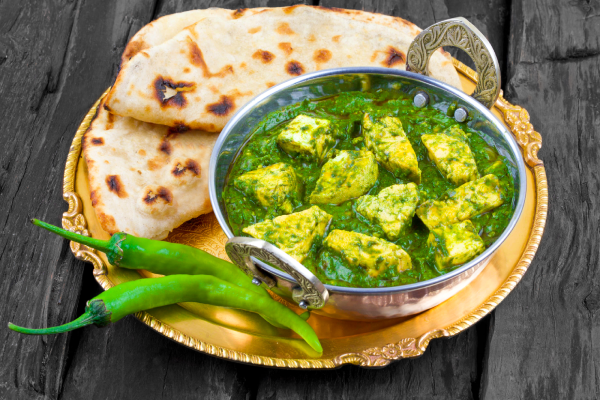
Saag Panir (€13.50) – The Cheese & Spinach Fresh spinach with homemade cheese. Panir is fresh cheese made daily. It’s mild, creamy, and takes on the flavor of the sauce. The spinach provides iron and texture.
Why Homemade Matters: Industrial panir is firm and plastic-like. Homemade panir is delicate and absorbs sauce.
Best For: Vegetarians, those wanting cheese, spinach lovers
Panir Korma (€13.50) – The Luxury Vegetarian Fresh cheese in creamy curry with almonds and raisins. This treats vegetarian food with the same respect as meat curries.
Best For: Those wanting richness without meat, special vegetarian occasions
Dal Makhani (€13.50) – The Premium Lentil Brown lentils in creamy sauce. This is the most indulgent lentil dish. Cream and butter are added, making it luxurious.
Texture Note: Because the lentils cook slowly with cream, they become smooth and richΓÇönot what most expect from “lentil soup.”
Best For: Vegetarians wanting indulgence, those discovering Indian vegetarian cuisine
Section 5: Rice Dishes – Biryani (€13.50-€20.50)
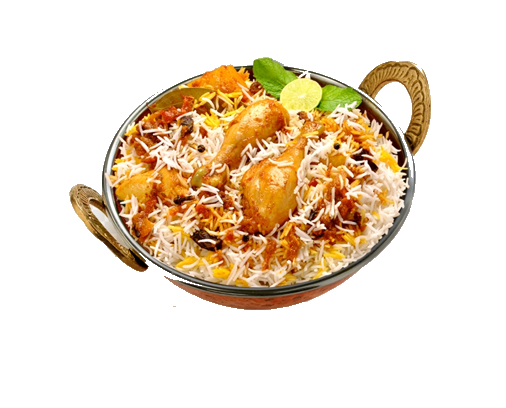
What Is Biryani? A complete one-pot meal. Rice is layered with meat, vegetables, and aromatics, then sealed and slow-cooked. Every grain of rice absorbs the flavors.
Served with: Lentils and raita (yogurt sauce)
Why Order Biryani: It’s a complete meal. It’s elegant. It’s perfect for sharing. It shows technique.
The Biryani Selection:
Vegetarian Biryani (€13.50) – The Introductory Rice Dish Spiced vegetables. This is how to start with biryani if you’re unsure.
Chicken Biryani (€16.50) – The Most Popular Boneless chicken with herbs. Balanced, flavorful, and the most ordered biryani.
Lamb Biryani (€17.50) – The Rich Choice Lamb with herbs. Richer than chicken, more flavorful.
King Prawn Biryani (€19.50) – The Luxury Option King prawns from the tandoor. This combines tandoori and biryani techniques. It’s expensive for a reasonΓÇöthe prawns are premium.
Kamasutra Biryani (€20.50) – The Grand Finale Lamb, chicken, and king prawns. This is the restaurant’s signature dish. Every protein, every technique. Order this for special occasions or to truly understand the menu.
Section 6: Breads & Sides (€2.25-€3.50)
Critical Concept: In Indian restaurants, breads aren’t afterthoughts. They’re essential. They provide texture, they help balance spicy curries, they complete the meal.
The Bread Hierarchy:
Standard Naan (€2.25) – Perfect with any curry
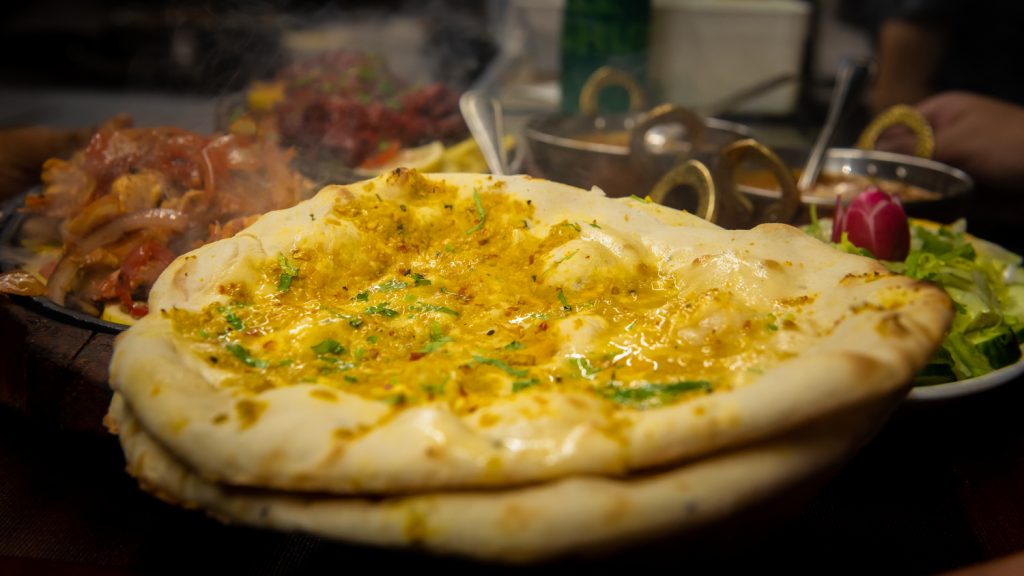
Garlic Nan (€2.75) – More flavorful, essential with milder curries
Butter Nan (€2.75) – Richer, works with spicy dishes
Keema Nan (€3.50) – Stuffed with minced meat, could be a meal alone
Paratha (€2.75) – Flaked, buttery, more complex texture than naan
Tandoori Roti (€2.75) – Brown bread, traditional, less rich than naan
Pro Tip: With a biryani, skip the breadΓÇöbiryani is complete. With curry, always get bread.
Section 7: Desserts (€5.00-€6.50)
Indian desserts are often cream or milk-based, less sugary than Western desserts.
Kheer (€5.00) – Rice Pudding Traditional, with almonds and raisins. It’s comforting, not too sweet.
Kulfi (€5.50) – Frozen Milk India’s answer to ice cream. It’s denser, more flavorful, and less sugary.
Patiala (€6.50) – Rice Pudding with Kulfi The luxurious combination.
Western Options: Dame Blanche, various ice creams, and gourmet coffees available for those preferring non-Indian desserts.
The Perfect Menu Combinations: Meals Designed by Experience
Now that you understand each item, here are combinations that work together:
Combination 1: The First-Time Experience (€25-30)
- Dal Soep (€5.00) – Warm introduction
- Tandoori Chicken (€15.50) – Main course
- Butter Nan (€2.75) – Bread
- Pilau Rice (€3.75) – Side rice
- Kheer (€5.00) – Dessert
Why It Works: Mild, balanced, shows three cooking techniques (soup, tandoori, baked bread), introduces fundamental Indian flavors.
Combination 2: The Curry Lover (€30-35)
- Sheek Kabab (€6.50) – Starter
- Lamb Rogan Josh (€17.95) – Main
- Garlic Nan (€2.75) – Bread
- Kulfi (€5.50) – Dessert
Why It Works: Focuses on meat and spice, shows both tandoori and curry techniques, builds flavor intensity.
Combination 3: The Special Occasion (€45-50)
- Kamasutramix (€8.00) – Impressive starter
- Kamasutra Tandoori Mix (€19.90) – Show-stopping main
- Garlic Nan (€2.75) – Bread
- Patiala (€6.50) – Luxurious dessert
Why It Works: Showcases everything the restaurant does well, impressive presentation, celebratory feel.
Combination 4: The Vegetarian Feast (€35-40)
- King Prawn Pakora (€7.75) – Seafood starter
- Saag Panir (€13.50) – Main
- Kamasutra Biryani Vegetarian (€13.50) – Second main
- Garlic Nan (€2.75) – Bread
- Kheer (€5.00) – Dessert
Why It Works: Shows vegetarian food is taken seriously, combines techniques, provides variety.
What Locals Know (And You Should Too)
After 22 years in Amsterdam, Restaurant Kamasutra has secrets:
1. The Kamasutra Biryani (€20.50) is the restaurant’s pride dish. It combines everything they do well. Order it for special occasions.
2. Tandoori dishes are underrated compared to curries. They’re lighter, show more technique, and are perfect for health-conscious eaters.
3. The mix dishes (Mix Kebab, Kamasutra Mix Tandoori) are designed for 2-3 people. They’re not individual portions. Share them.
4. Breads matter more than you think. Different breads work with different curries. Ask your server for pairings.
5. Call ahead during King’s Day (April 27) and Liberation Day (May 5). The restaurant gets packed. Reservations are essential, not optional.
6. The homemade panir makes a difference. It’s worth trying multiple panir dishes to taste the difference from industrial cheese.
7. Arrive hungry. The portions are generous. Many people underestimate how much they’ll eat.
The Bottom Line
Restaurant Kamasutra menu isn’t large by accident. Every dish serves a purpose. There are no filler items. It’s a carefully constructed menu that respects tradition while meeting modern expectations.
Whether you’re a first-timer or a regular, there’s always something new to discover. The tandoori brings technique and smoke. The curries bring comfort and spice. The biryanis bring elegance and wholeness. The breads and sides provide balance.
After 22 years, the restaurant still treats every dish with respect. That’s why locals keep coming back.
Ready to Experience the Menu?
🍛 Order Online — 15% Discount 📞 Make a Reservation — Book Your Table 📍 Location: Lange Niezel 9, Amsterdam Central Station ☎️ Call: 020 626 00 03 ⏰ Hours: Wed-Sun 16:00-23:00 (Closed Mon-Tue)

Tags: best Indian restaurant in Amsterdam, Indian restaurant in Amsterdam, Restaurant Kamasutra Menu